
Embarking on a DIY repair project can be a thrilling adventure, offering the satisfaction of accomplishment and the practical benefits of saving money and enhancing your home. However, safety should never take a backseat in the pursuit of a job well-done. Dive into this guide, packed with expert advice, essential steps, and innovative tips ensuring that your DIY efforts are as safe as they are effective.
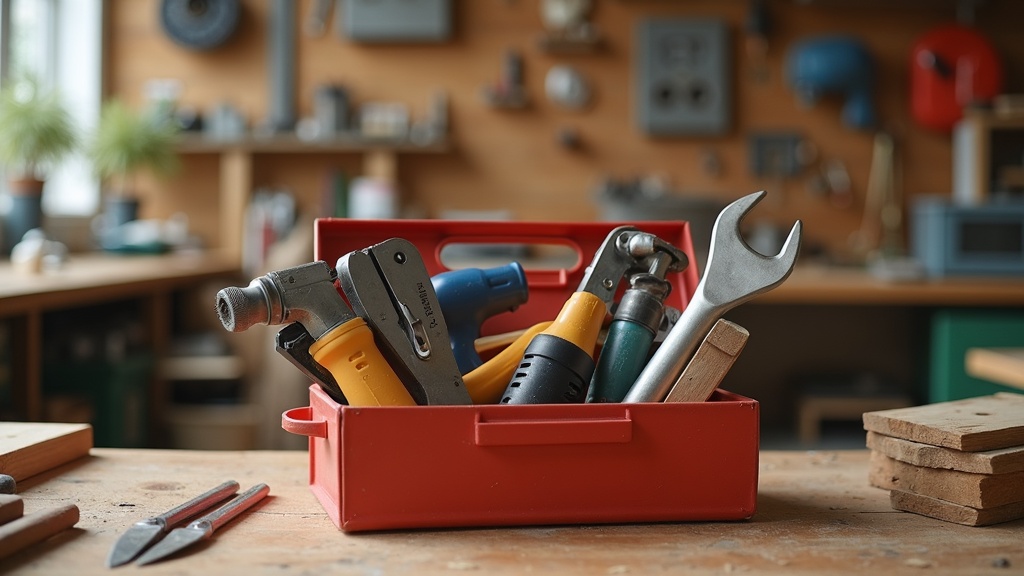
Assess Before You Address: Identify and Plan
Before diving into any repair task, begin with a thorough assessment of the problem. Sharon, a seasoned DIY enthusiast, emphasizes the importance of understanding the extent and nature of the damage. Lay out all possible solutions and prepare a detailed plan of action. Such foresight prevents rushing into projects unprepared, significantly reducing risks associated with common repairs.
Outfitting Yourself Appropriately: The Right Gear Matters
While many DIYers think they can tackle projects with simple tools on hand, Dan, a professional handyman, advises investing in proper protective gear. Safety goggles, sturdy gloves, and a dust mask can go a long way. The right apparel protects you from unforeseen accidents such as errant sparks or splinters, making the repair process safer and more comfortable.
Mastering the Art of Material Preparation
Gathering the proper materials is more than a step—it's a cornerstone. Ellie, who regularly conducts DIY workshops, insists that thorough material prep is crucial. Organize your tools and supplies, ensuring everything is clean and within reach. This eliminates delays and distractions, allowing you to focus solely on executing the steps safely.
Beyond Grit: Understanding the Steps in Detail
Implementing detailed steps ensures your repair work is effective and durable. Alex, a veteran in home maintenance, urges DIYers to break the project into clear, manageable stages. Follow instructions scrupulously and never improvise when proper steps are unclear. This comprehensive approach avoids common pitfalls and contributes to better outcomes.
Safety Above All: Tips for Accident Prevention
Trouble strikes when least expected, but many incidents can be avoided with a safety-first mindset. Lucy, an emergency room nurse, sees countless DIY injuries that could be avoided. She suggests keeping a first-aid kit nearby, maintaining a clutter-free work area, and taking breaks to manage fatigue. A small lapse in attention can lead to significant consequences, but being vigilant keeps you protected.
Smart Finishing: The Art of a Job Well Completed
Completing a project is more than checking a box—it's about ensuring lasting results. Gerard, known for his impeccable finish work, recommends reviewing the final product for stability and function. Don't rush the finishing touches; patience ensures you haven’t missed anything critical. Tidy up the workspace and store tools properly, leaving you with the satisfaction of a job truly well done.
Learning From the Pros: When to Call for Help
There’s wisdom in knowing your limits. Emma, an avid DIYer who’s tackled everything from plumbing to carpentry, points out that some tasks are best left to professionals. When a project exceeds your expertise, lasts beyond an expected timeframe, or demands specialized tools you don’t have, hiring a professional can save time, money, and prevent potential hazards.
Translating Experience to Expertise: Continuous Learning
DIY is a journey of constant learning and improvement. Investing time in understanding new techniques and tools can enhance your skills exponentially. Participate in workshops, online tutorials, and DIY communities, advises Jacob, a long-time woodworking hobbyist. Sharing your experiences and absorbing others’ knowledge furthers not just personal growth, but also enriches the entire DIY community.
Conscious Repairs: The Sustainable Angle
As DIY enthusiasts, we share a responsibility for our environment. Adopting sustainable practices, like repurposing materials and minimizing waste, can have a positive impact. Nora, an eco-conscious DIYer, suggests using eco-friendly materials and tools, which ensures that our repair culture supports environmental health. This eco approach doesn’t just benefit Earth, it inspires others to follow suit.