
Embarking on DIY projects at home can be both exhilarating and daunting. The allure of crafting something with your own hands is undeniable, but it's easy to stumble. Fortunately, by understanding common pitfalls and preparing accordingly, you can ensure a smooth, successful DIY journey.
Start with a Solid Plan
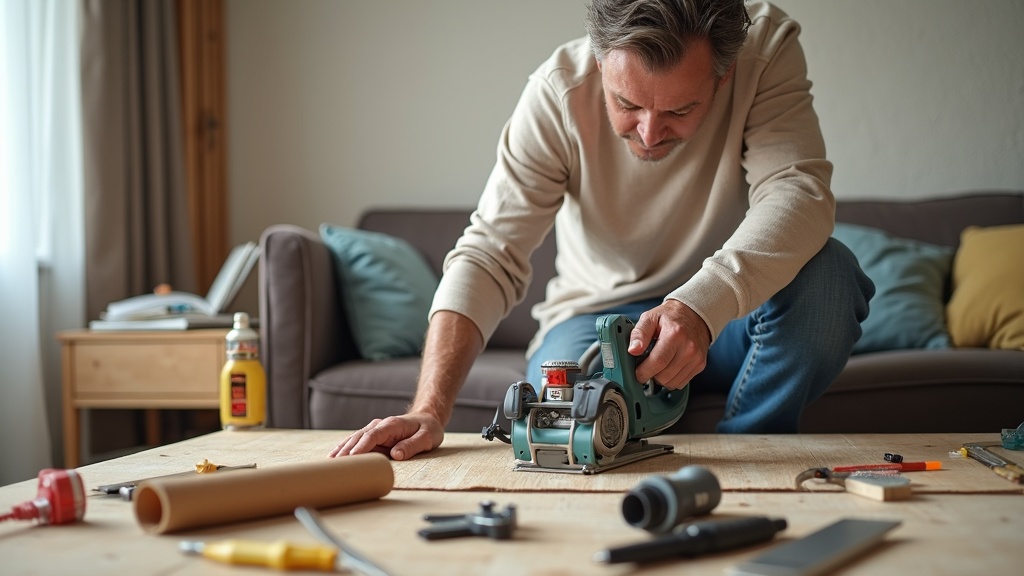
DIY success starts with a solid plan. Before diving headfirst into sawdust and paint cans, take a step back. Sketch out your design, list the necessary materials, and outline each step. Consider this planning phase your project's backbone. You'll want to avoid Oliver's slip-up when he realized midway that he'd forgotten key tools.
Choose Quality Over Cost
When picking materials, the temptation to opt for cheaper alternatives can be strong. Melody discovered the hard way that not all paint is created equal; her vibrant wall dream ended up streaky. Always opt for the best materials your budget can manage, ensuring durability and professional results.
Safety First: Gear Up
Never underestimate the importance of safety gear. Sarah thought she could sand her wooden floors barefoot until a splinter taught her otherwise. Invest in gloves, goggles, and masks. Safety isn't just a precaution; it's a necessity to ensure your DIY ventures are as worry-free as they are rewarding.
Avoid Skipping Crucial Prep Work
Preparation is the unsung hero of the DIY world. When Jack decided to paint his desk without sanding first, the uneven finish spoke volumes. Prep work, though laborious, is essential for seamless results. Whether it's cleaning, sanding, or priming surfaces, prepping can make or break your project.
Measure Twice, Cut Once
Precision is the name of the game in DIY. Carla learned this when her new kitchen shelves didn't fit as intended. Always double-check your measurements and cut with patience and caution. A tape measure is your best friend, ensuring accuracy and avoiding wasted materials.
Embrace Patience in Implementation
The excitement of seeing a project completed often leads to rushed finishes. Tom's eager attempt to assemble his patio furniture led to mismatched screws and instability. Give each step the time it needs. A slow and steady approach often results in higher quality and longer-lasting outcomes.
Refinishing: Take Time for the Details
A beautiful piece isn't complete without proper finishing. Emilia learned from her first table renovation that skipping the sealer left it vulnerable to water damage. Take your time with sanding between coats and apply finishes diligently to protect and enhance your work of art.
Know When to Call a Professional
There's tremendous satisfaction in DIY accomplishments, but recognize when a task is beyond your skill. Henry tried to rewire his living room, only to realize it was more complex than anticipated. Save yourself stress, and potential safety hazards, by knowing when to bring in professional help.
Celebrate Your Accomplishments
Once your project is completed, take a moment to revel in your hard work. Amanda felt a sense of fulfillment every time she looked at her self-built garden shed. Celebrate each success, regardless of size, as these victories build confidence for future DIY endeavors.