
Discover the secrets to transforming your DIY projects into effortless successes! Replace dread with the delight of learning step-by-step repair habits that not only make tasks easier but also more satisfying. Whether you're a seasoned DIY enthusiast or a curious beginner, these habits will align your passion with precision.
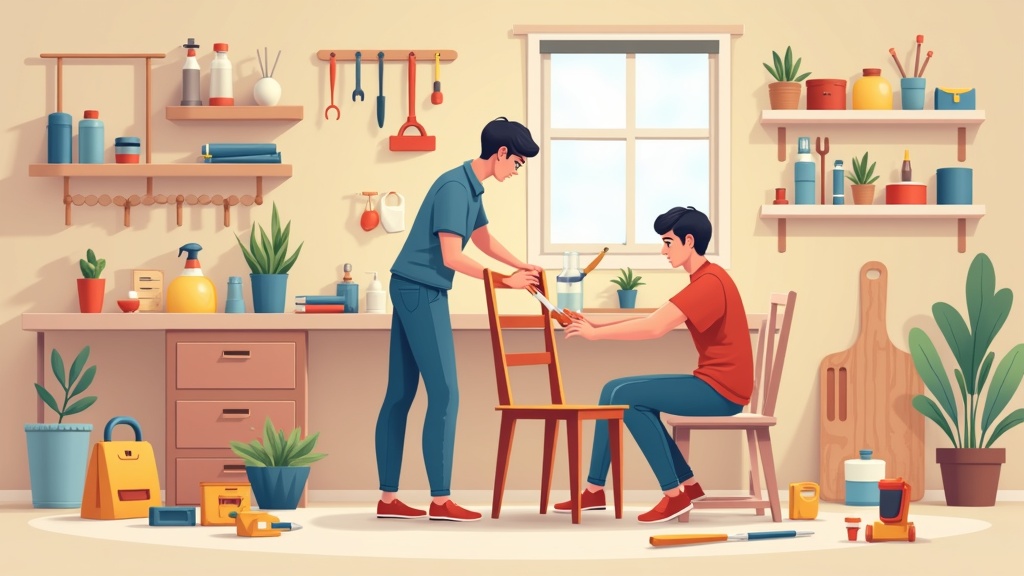
Start with a Clear Plan
Every successful project begins with a solid plan. Creating a detailed blueprint of your tasks can change the course of your repairs from chaotic to controlled. Carla Browning, a veteran DIYer, emphasizes the importance of sketching out each step. Planning allows you to foresee potential challenges and ready your solutions ahead of time.
Organize Your Workspace for Efficiency
Before diving into your repair, take a moment to tidy up. A clean and organized workspace not only looks appealing but also facilitates smoother operations. Eugene Clarks, owner of a popular DIY blog, swears by keeping tools in designated spots to minimize search time and maximize productivity.
Gather Quality Materials Before You Begin
The heart of any repair lies in the materials you use. Opt for quality over quantity, ensuring durability and reliability. Tracey Linds, a DIY materials expert, insists that good materials lay the foundation for less frequent fixes in the future. Assemble all your supplies before starting to maintain momentum and avoid interruptions.
Prioritize Safety: Gear Up Before You Begin
Safety is paramount in any DIY project. Equip yourself with the necessary safety gear such as gloves, goggles, and dust masks. Cindy Yu, an advocate for DIY safety, advises that preparing your gear ahead means less room for accidents and more confidence in handling potentially dangerous tools.
Break Down the Project into Manageable Steps
A daunting project can be made manageable by dividing it into smaller tasks. Approach each segment as an achievement on its own, making the entire process feel less overwhelming. This habit also allows you to allocate time effectively and see progress consistently.
Embrace the Power of Patience
Rushing through repairs often results in sloppy outcomes and more problems down the line. Adapt a patient mindset that allows for careful execution and inspection of your work. Kevin Monroe, known for patent precision, shares that patience yields better long-term results and often leads to creative, effective solutions.
Learn from Each Attempt
Mistakes are inevitable but also valuable learning opportunities. Reflect on each attempt and identify areas of improvement. Joiner Samuels, who pivoted through several repair fails before mastering his craft, highlights the importance of resilience and curiosity in honing skills and refining technique.
Finish with a Flourish: Polishing Your Work
Once the repairs are complete, invest time in the finishing touches. Sanding down edges, applying paint or polish, and cleaning residue can elevate a functional repair to a work of art. These final steps not only ensure aesthetic quality but also prolong the life and utility of the repaired item.
Continuous Learning: Keep Expanding Your Knowledge
The world of DIY is ever-evolving, with new methods and materials emerging continuously. Enrol in workshops, watch tutorials, and read up on the latest trends to enrich your skills. Pam Hall, a seasoned DIY aficionado, urges others to keep learning, stating it's the key to exciting and cutting-edge repairs.